
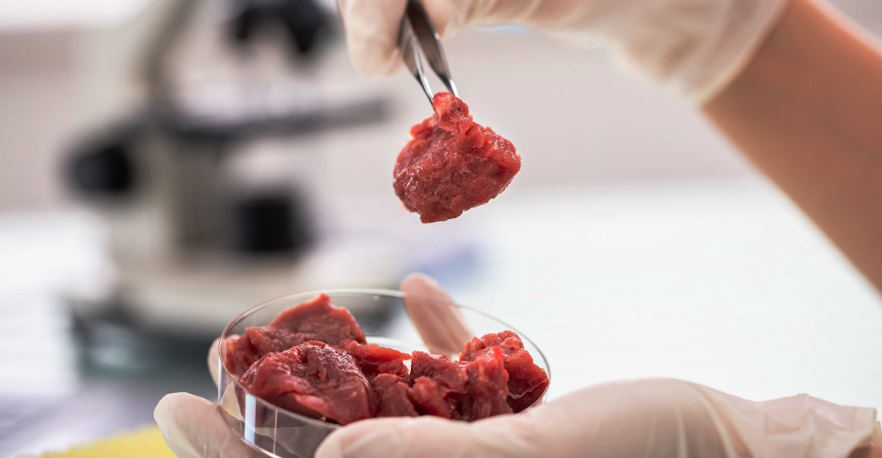
Jewish people worldwide make and consume food after they ensure that it follows the rules of Jewish law. They follow different traditions like utensils that touch dairy cannot touch meat and utensils that touch non-kosher food cannot touch kosher food. They do not eat grape products made by non-Jewish persons. As a beginner to the Kosher, you may wish to know about grasping the kosher implications of cultivated meat at this time. Keep in mind that some animals may not be eaten by Jewish people at any time.
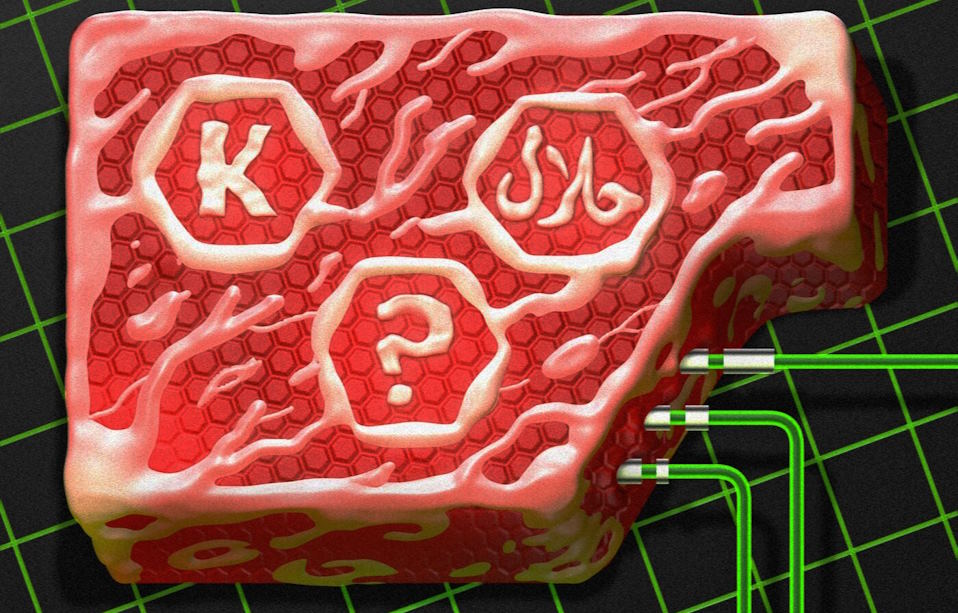
Make an informed decision about your diet
Though Jewish people eat meat, they ensure that mammals and birds are killed as per the Jewish law. The complete blood from the birds and mammals must be drained or cooked out of blood can be eaten. Jewish people do not eat certain parts of permitted animals. You may think about whether the lab-grown meat is kosher or not. You can focus on the latest research associated with synthetic meat at first. Scientists used the stem cells from a cow and built these stem cells into hamburgers and ensure that these hamburgers taste, feel, and look like the real thing.
Many scientists have been unraveling the kosher certification of synthetic meat in recent years. In general, qualified scientists extracted a real animal’s cells and used them to grow healthy tissues in a Petri dish. There is a problem of consuming a limb from a living animal, especially for Jewish people.
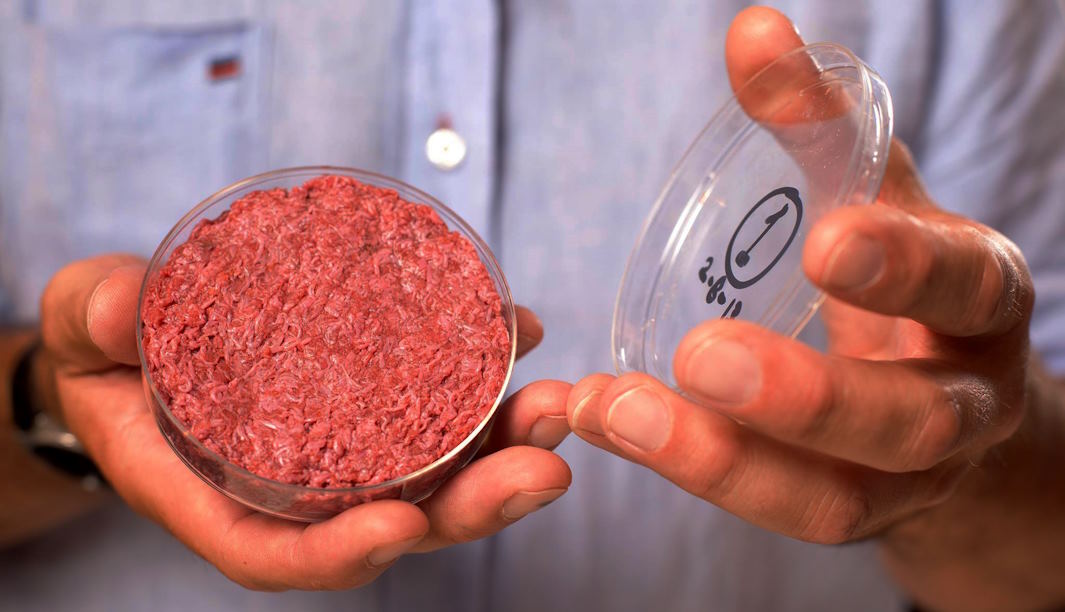
Consume healthy and kosher food
People following the Kosher are not ready to taste even a minute amount of meat separated from a living animal. They can prefer and consume synthetic meat when it is extracted from a kosher animal slaughtered as per the Jewish law. However, some people doubt whether the Jewish rules apply to the microscopic cells extracted from an animal. They must know and remember that any food containing a tiny amount of non-kosher element can be considered as kosher. However, a non-kosher element is nullified by at least a factor of sixty to one.
There are many resources dedicated to exploring the kosher suitability of lab-cultivated protein today. In the synthetic meat, the actual cells are greatly outnumbered by the end product. Some people disagree that synthetic meat is kosher. This is because the main ingredient of this food is not nullified, regardless of its size.